Verification Pathways Fueling Reward Systems in Mobile Roulette Applications
Written by Riley Günther · Aug 21, 2026
Verification Pathways Fueling Reward Systems in Mobile Roulette Applications
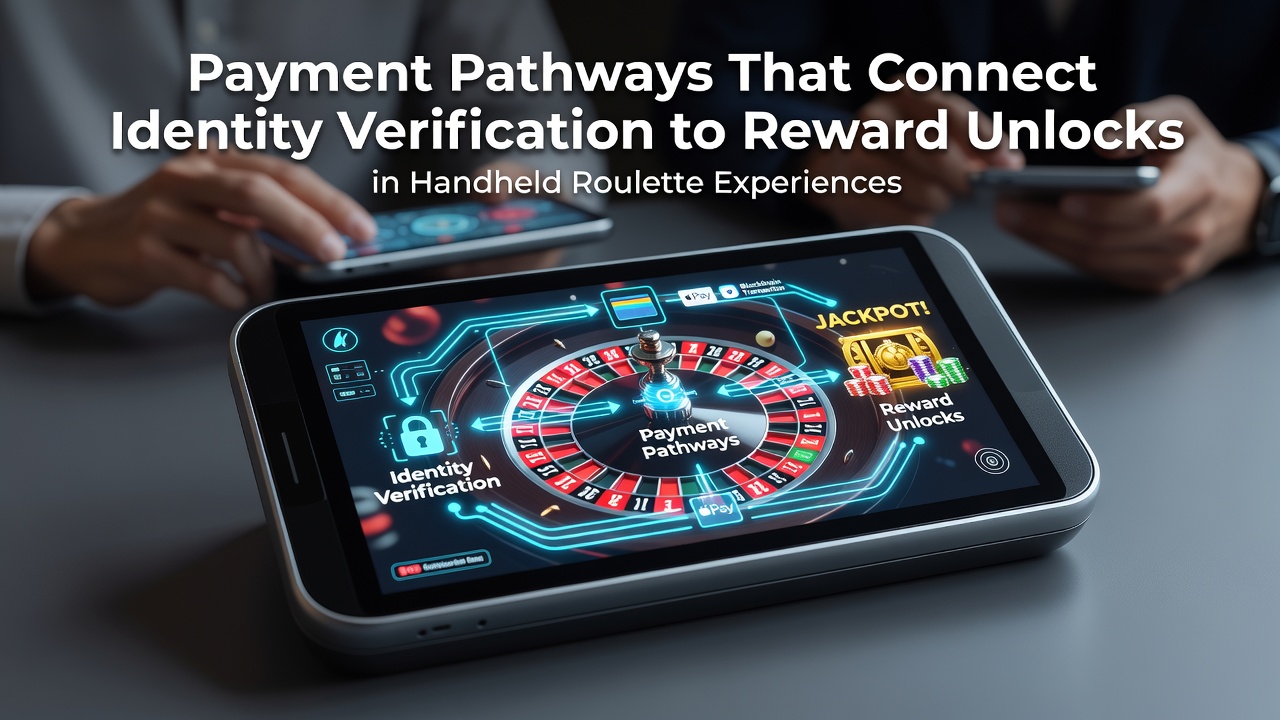
Payment systems in handheld roulette experiences integrate identity verification steps directly with reward distribution mechanisms, creating structured pathways that link account authentication to bonus access and payout processing. Observers note that these connections rely on standardized protocols where users complete document checks before payment gateways activate reward unlocks during live or simulated roulette sessions on portable devices.
Data from industry reports shows that verification processes typically involve submission of government-issued identification alongside address confirmation, after which payment providers authorize transactions that trigger reward eligibility. According to analyses from the Nevada Gaming Control Board, such integrated flows have expanded across mobile platforms since 2024, with participation metrics indicating steady growth in verified accounts by August 2026.
Core Components of Identity Verification in Payment Flows
Identity verification begins when a user registers on a handheld roulette application, requiring biometric data or scanned documents that payment processors cross-reference against databases maintained by financial institutions. These checks connect immediately to payment pathways because unverified accounts remain restricted from depositing funds that would otherwise unlock promotional rewards tied to roulette play.
Researchers at academic institutions have documented how multi-factor authentication layers combine with payment gateway APIs to form sequential steps, where each completed verification stage releases corresponding reward functions without separate manual interventions. One study revealed that this automation reduces processing delays from hours to seconds in many cases, allowing players to transition directly from deposit confirmation to accessing free spin allocations or bonus credits during roulette rounds.
Payment Gateways and Their Role in Reward Activation
Digital wallets and card networks serve as intermediaries that receive verified user data before authorizing transfers, which in turn signal the platform's reward engine to activate unlocks such as matched deposits or enhanced payout multipliers. Figures from regulatory filings indicate that over 60 percent of mobile roulette transactions in tested markets now route through these gateways by mid-2026, reflecting broader adoption of real-time verification tied to financial rails.
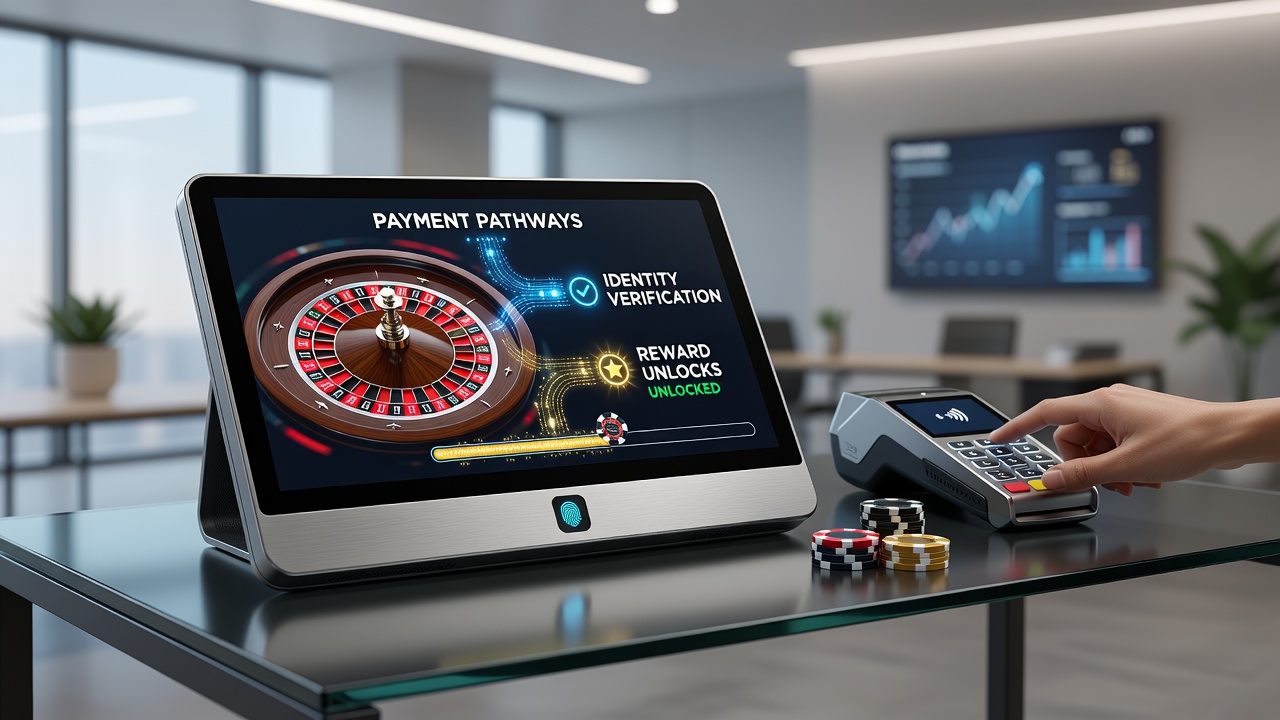
Payment service providers maintain compliance databases that sync with gambling operators' systems, ensuring that reward unlocks occur only after successful identity matches. Experts have observed cases where failed verification halts the entire sequence, preventing both deposits and associated bonuses from processing until users resolve discrepancies through additional documentation submissions.
Integration Challenges and Technical Standards
Platform developers face ongoing requirements to align with evolving technical standards for data security during the handoff between verification services and payment processors, including encryption protocols that protect sensitive information throughout the reward activation chain. Those who've examined these systems note that handheld devices add variables such as network variability, which can interrupt verification flows unless applications incorporate offline caching for initial checks.
Case examples from development teams show instances where API integrations between identity providers and payment gateways streamlined reward distribution in roulette applications, cutting average unlock times while maintaining audit trails required by oversight bodies. Data indicates that regions with mature digital identity frameworks experience fewer disruptions in these pathways compared to areas still adopting such infrastructure.
Examples from Operational Platforms
Take one operator that implemented blockchain-based verification alongside traditional payment methods, resulting in reward unlocks that activate within mobile roulette sessions once initial deposits clear identity thresholds. Another instance documented by industry analysts involved partnerships with e-wallet services that embed verification prompts directly into deposit screens, allowing seamless progression to bonus features without leaving the application interface.
Research indicates that such examples demonstrate measurable increases in verified user retention rates, as payment pathways that connect identity steps to rewards reduce friction points that previously led to abandoned sessions. By August 2026, updates to these systems have incorporated machine learning elements to predict verification success rates based on transaction patterns, further tightening the linkage between payments and reward eligibility.
Conclusion
Payment pathways that connect identity verification to reward unlocks continue to shape handheld roulette experiences through coordinated technical and regulatory mechanisms. Evidence from multiple sources highlights how these integrated processes support secure transactions while enabling timely access to bonuses across mobile platforms, with ongoing refinements expected to maintain compatibility as device capabilities advance.