Verification Layers Shaping Access to Hybrid Rewards in Regulated Gaming Platforms
Written by Amir Coleman · Aug 16, 2026
Verification Layers Shaping Access to Hybrid Rewards in Regulated Gaming Platforms
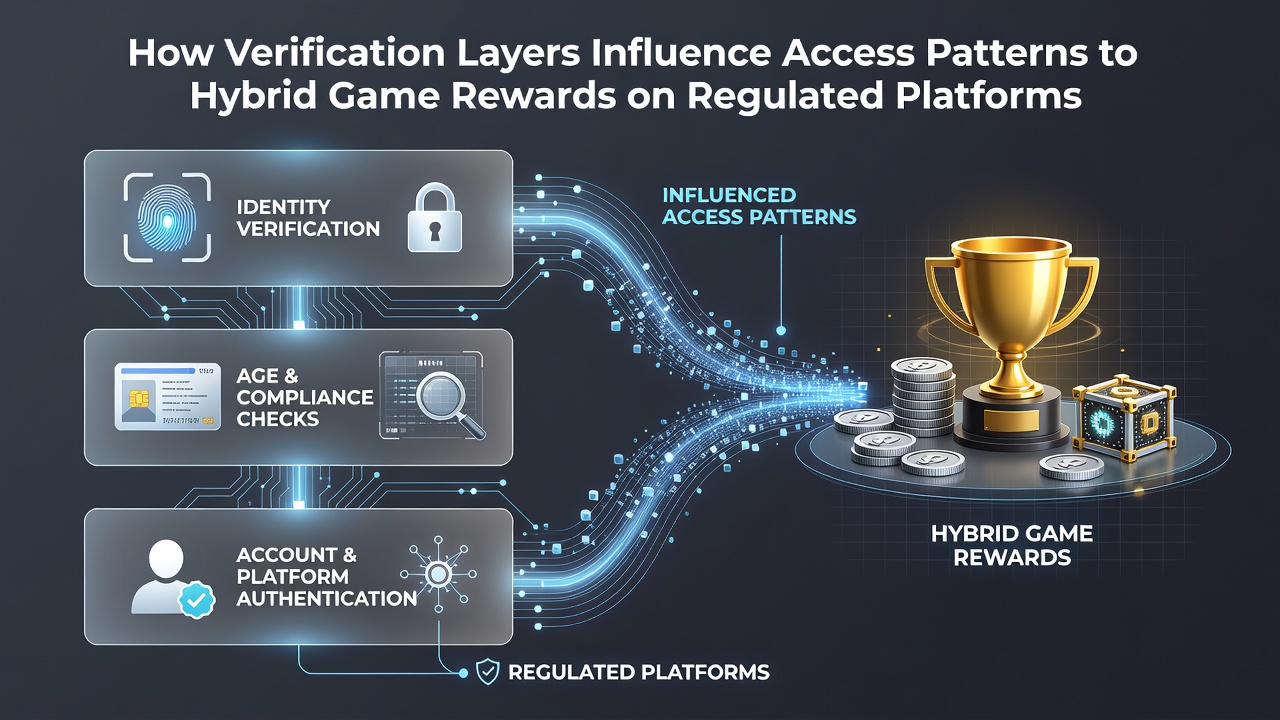
Verification layers on regulated platforms create structured pathways that determine how players reach hybrid game rewards combining elements from slots and live dealer tables, and these systems rely on sequential checks that filter access based on identity confirmation and compliance status.
Core Components of Verification Processes
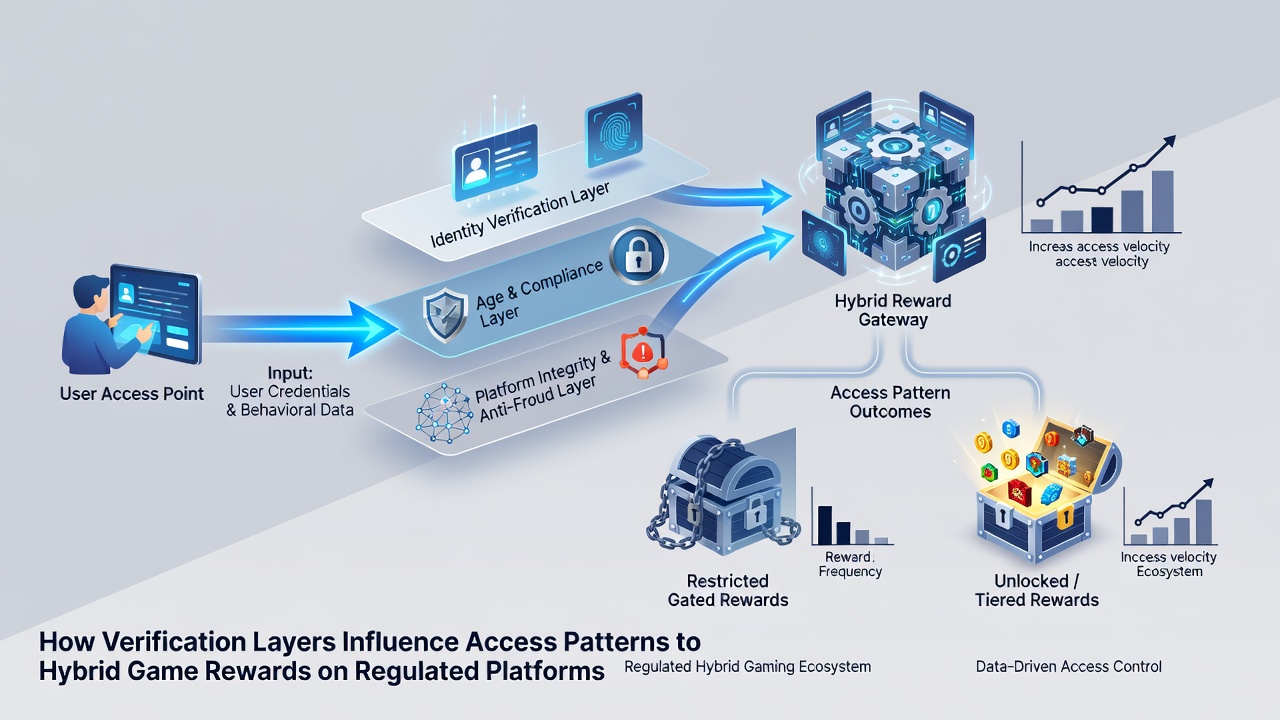
Multi-stage verification typically begins with basic account registration followed by document uploads for age and identity confirmation, while subsequent layers incorporate address validation and payment method authentication, and platforms apply these steps in sequence so that incomplete profiles encounter restricted reward eligibility until all criteria receive clearance.
Data from state regulators shows that players completing initial verification gain entry to standard welcome incentives within hours whereas full multi-layer approval often extends to one or two business days before hybrid reward pools become available, and this timeline difference influences participation rates in combined slot and roulette promotions across licensed operators.
Impact on Reward Claim Patterns
Players who navigate verification successfully demonstrate consistent access patterns that favor immediate engagement with hybrid bonuses because cleared accounts unlock deposit-match offers alongside free spin allocations tied to live dealer sessions, whereas unverified profiles remain locked out of these blended incentives and shift toward free-to-play modes or delay participation until compliance clears.
Research from the Pennsylvania Gaming Control Board indicates that verification completion correlates with higher claim rates for tiered rewards where early layers grant slot-specific bonuses and later layers release live dealer multipliers, creating segmented access that operators track through session logs and reward redemption data.
August 2026 marks the scheduled rollout of enhanced digital identity standards in several North American jurisdictions which require real-time biometric checks integrated into verification stacks, and these updates aim to streamline hybrid reward distribution while maintaining separation between standard and high-value incentive categories.
Regional Regulatory Variations in Layer Application
European frameworks outside the UK emphasize risk-based verification that escalates layers according to transaction volume so low-stake hybrid game sessions face fewer hurdles while larger reward claims trigger additional source-of-funds reviews, and this graduated approach produces distinct access patterns where casual participants reach blended incentives faster than high-volume users.
Canadian provincial authorities apply verification through centralized systems that link player accounts across operators, allowing verified profiles to transfer reward eligibility between platforms offering hybrid games, and this interoperability reduces redundant checks while preserving oversight on bonus abuse patterns documented in inter-operator data exchanges.
A study conducted by researchers at the University of Nevada Reno examined verification completion times across multiple regulated markets and found that platforms using automated document analysis reduced average approval periods by 40 percent compared with manual review processes, directly affecting how quickly players accessed combined slot and live dealer reward structures.
Behavioral Shifts Among Verified Player Groups
Verified users exhibit access patterns that concentrate reward claims during promotional windows because cleared accounts receive notifications for time-limited hybrid bonuses, and these players often sequence their activity from slot sessions into live dealer rounds to maximize layered reward potential without triggering additional verification flags.
Observers note that incomplete verification leads to fragmented engagement where players sample hybrid games but abandon reward pursuit once barriers appear, and aggregate platform metrics reveal lower retention among profiles stalled at intermediate layers compared with fully authenticated accounts that maintain steady participation across reward cycles.
Conclusion
Verification layers function as gatekeepers that segment access to hybrid game rewards on regulated platforms through sequential compliance stages, and the resulting patterns show clear differentiation between verified and pending accounts in terms of reward eligibility timing and redemption frequency. Platforms continue to refine these systems in response to regulatory timelines such as the 2026 digital identity updates, while data from bodies like the Pennsylvania Gaming Control Board and academic analyses from institutions including teh University of Nevada Reno provide ongoing insight into how these mechanisms shape player behavior across combined gaming formats.