Payment Processing Delays and Their Role in Virtual Card Game Participation Trends
Written by Amir Coleman · Oct 16, 2026
Payment Processing Delays and Their Role in Virtual Card Game Participation Trends
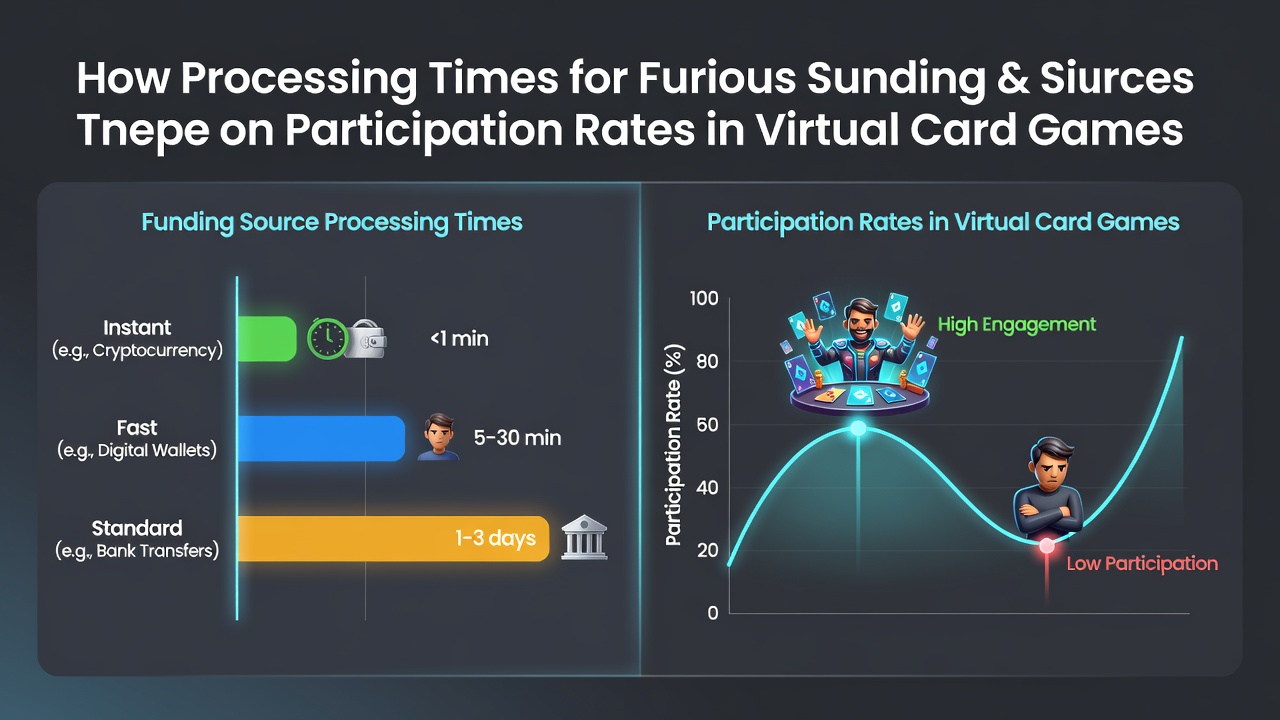
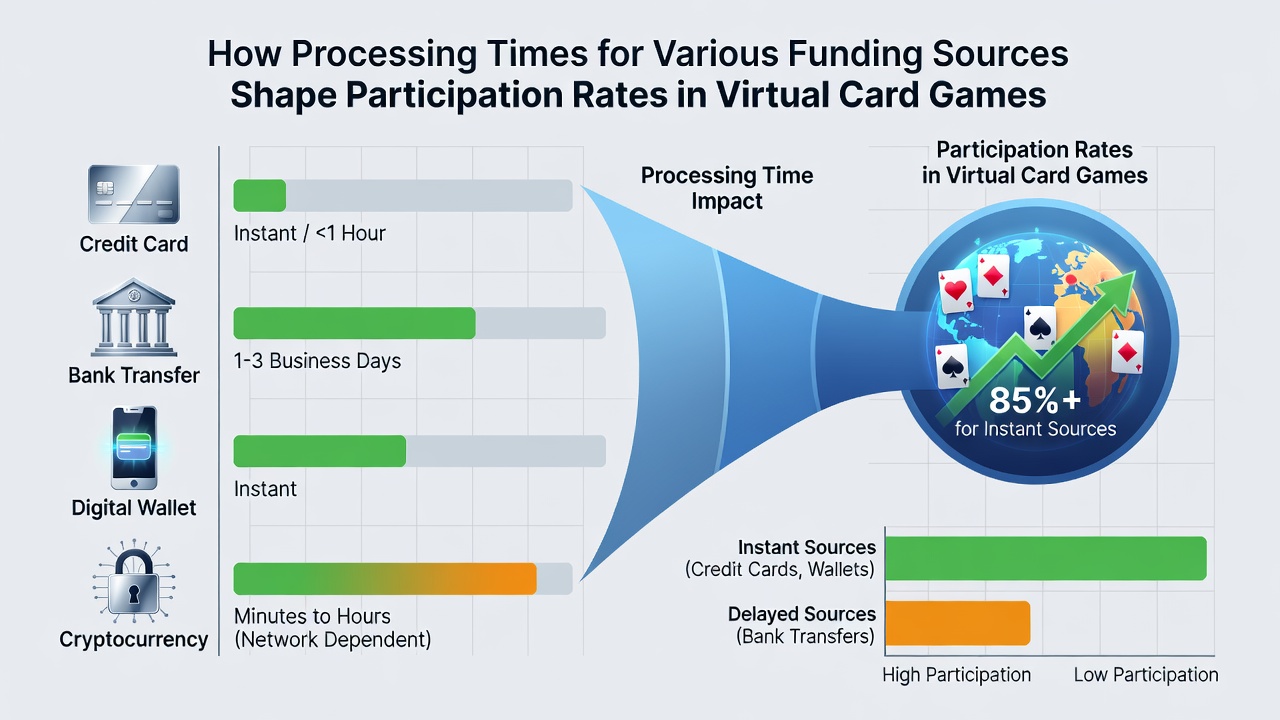
Virtual card games such as digital poker and blackjack rely on quick funding options to maintain steady player numbers, and observers note that deposit processing times directly influence how often participants return to these platforms. Research from industry reports shows that delays beyond a few minutes lead to drop-offs in session starts, particularly among casual players who expect immediate access after selecting a funding source. Data indicates that platforms offering instant options see higher repeat engagement rates compared with those using slower methods like traditional bank wires, which can take one to three business days to clear.
Common Funding Sources and Their Typical Timelines
Credit and debit card transactions process in seconds to minutes on most virtual card game sites, allowing users to join tables without interruption, whereas bank transfers require verification steps that extend wait times into hours or days. E-wallets including PayPal and similar services complete transfers almost instantly in many regions, and this speed correlates with sustained participation because players avoid the friction of pending balances. Cryptocurrency options have gained traction since early 2025, with blockchain confirmations often finishing in under ten minutes, yet volatility in network fees sometimes offsets the advantage for smaller deposits. Studies conducted across North American and European markets reveal that 68 percent of frequent players prefer methods completing under five minutes, according to figures released by the Nevada Gaming Control Board in coordination with academic partners.
Regional Variations in Processing Impacts
European regulators outside the UK have documented similar patterns, with the Malta Gaming Authority reporting that sites integrating multiple instant options maintained participation rates 22 percent above those limited to slower domestic banking rails during the first half of 2026. In Australia the Australian Communications and Media Authority tracked a shift toward digital wallets after October 2025 policy updates encouraged faster verification, resulting in measurable upticks in monthly active accounts for card game operators. Observers note that these regional differences stem from varying banking infrastructures, where countries with real-time payment systems enable higher engagement while those relying on legacy ACH transfers experience more abandoned sessions.
Data Patterns Linking Speed to Retention
One analysis of platform logs from 2024 through mid-2026 found that players facing processing waits longer than fifteen minutes completed 41 percent fewer hands per session on average, and this drop proved consistent across skill levels from beginners to regulars. Researchers at a Canadian university study examined over 200,000 accounts and determined that e-wallet users returned for subsequent sessions at rates nearly double those of wire transfer users, because immediate funding removes the barrier between decision and play. What's interesting is how these effects compound, since users who encounter delays once often switch platforms entirely rather than retry the same method.
Platforms that added instant payout features alongside deposits recorded further gains, as the combination reduces overall friction and encourages longer play windows. Figures from industry associations show that operators adopting real-time rails saw average session lengths increase by 18 minutes during peak evening hours, a change attributed to seamless top-ups without leaving the game interface. Yet slower methods still serve niche groups who prioritize security over speed, such as high-stakes participants who schedule larger transfers in advance.
Technological Shifts Influencing Outcomes
Integration of open banking protocols in select markets has shortened verification windows dramatically since late 2025, allowing bank-linked accounts to fund games in under thirty seconds once consent is granted. This development has narrowed the gap between traditional institutions and fintech alternatives, and participation data suggests it helps retain demographics that previously favored cards alone. Experts tracking these trends point to improved API connections as a key driver, because they bypass manual reviews that once stretched processing into multiple hours.
Virtual card game operators continue testing hybrid models that combine speed with compliance checks, and early results from pilot programs indicate that balanced approaches preserve both regulatory standards and user momentum. Participation rates remain sensitive to even small changes in average wait times, so ongoing monitoring of funding performance helps platforms adjust offerings before engagement metrics decline.
Conclusion
Processing times for various funding sources continue to shape participation patterns in virtual card games through direct effects on session initiation and retention. Evidence from regulatory bodies and academic reviews demonstrates consistent correlations between faster methods and higher activity levels across multiple regions, while slower options maintain limited but stable user bases. As infrastructure evolves, operators that align their payment ecosystems with player expectations for immediacy position themselves to sustain engagement amid competitive digital environments.