From Virtual Wallets to Virtual Wheels: Mapping Financial Pathways in Modern Gaming Apps
Written by Riley Günther · Oct 2, 2026
From Virtual Wallets to Virtual Wheels: Mapping Financial Pathways in Modern Gaming Apps
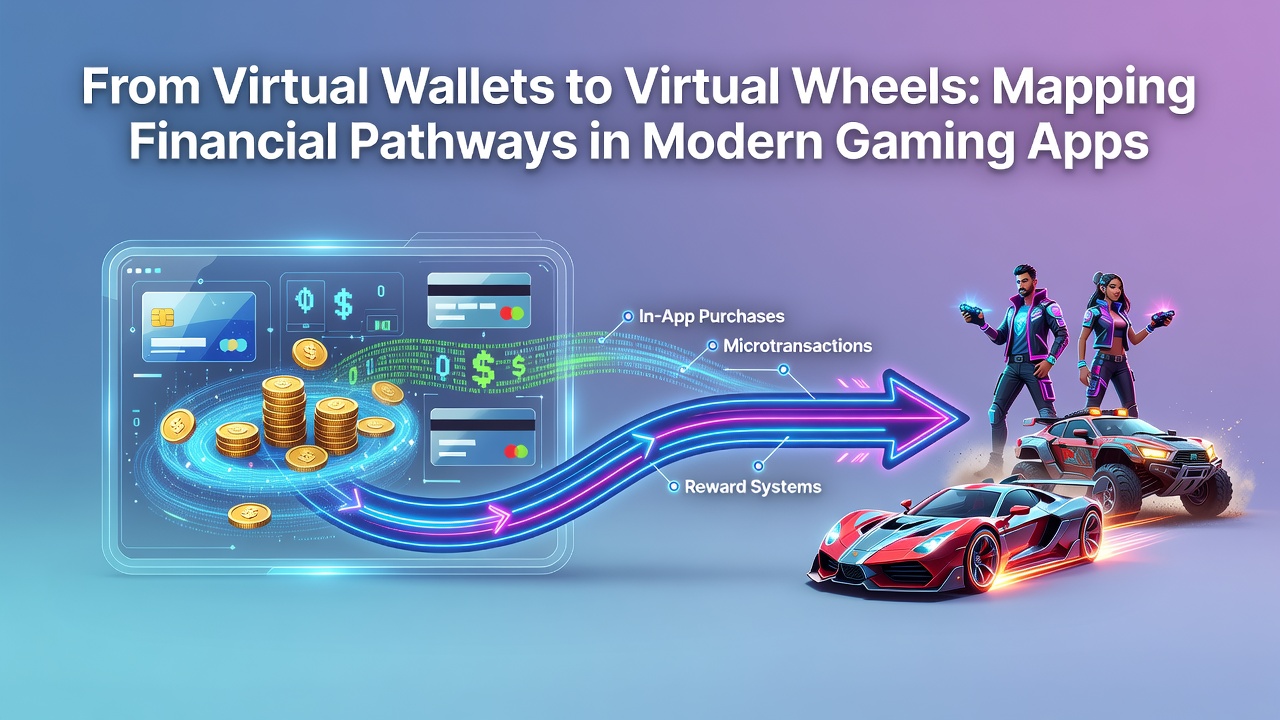
Modern gaming apps have built intricate financial systems that convert real-world payments into seamless in-app transactions and those flows now extend from simple wallet top-ups all the way to virtual wheel upgrades on digital vehicles. Developers integrate payment processors directly into platforms so users fund accounts through credit cards, digital wallets, or carrier billing and then spend accumulated balances on cosmetic items, performance boosts, or collectible assets without ever leaving the game environment.
Payment Infrastructure and Wallet Mechanics
Game studios partner with established financial service providers to handle deposits while maintaining compliance with regional regulations across multiple jurisdictions. Data from industry reports shows that mobile games accounted for the majority of global game revenue in recent quarters and most of that income stems from repeated micro-transactions rather than one-time purchases. Players maintain virtual wallets that track both earned in-game currency and purchased premium units so the two remain distinct yet interoperable within the same interface.
Engineers design these wallets with layered security protocols that include device authentication, transaction limits, and real-time fraud detection and these measures reduce chargebacks while preserving user trust. Research published by the Entertainment Software Association indicates that younger demographics complete in-app purchases at higher frequencies than older cohorts and many of those purchases involve vehicle customization options such as wheel sets, paint finishes, and performance parts.
Progression from Currency to Customization
Once funds sit inside a virtual wallet developers route them toward specific item categories through curated storefronts that highlight seasonal or event-based offers. Racing and open-world titles frequently feature wheel upgrades as high-visibility rewards because they alter both visual appeal and handling statistics so players perceive tangible value from each expenditure. Observers note that conversion rates climb when games display progress bars that link wallet balances directly to the next desired upgrade and this visual feedback encourages additional deposits.
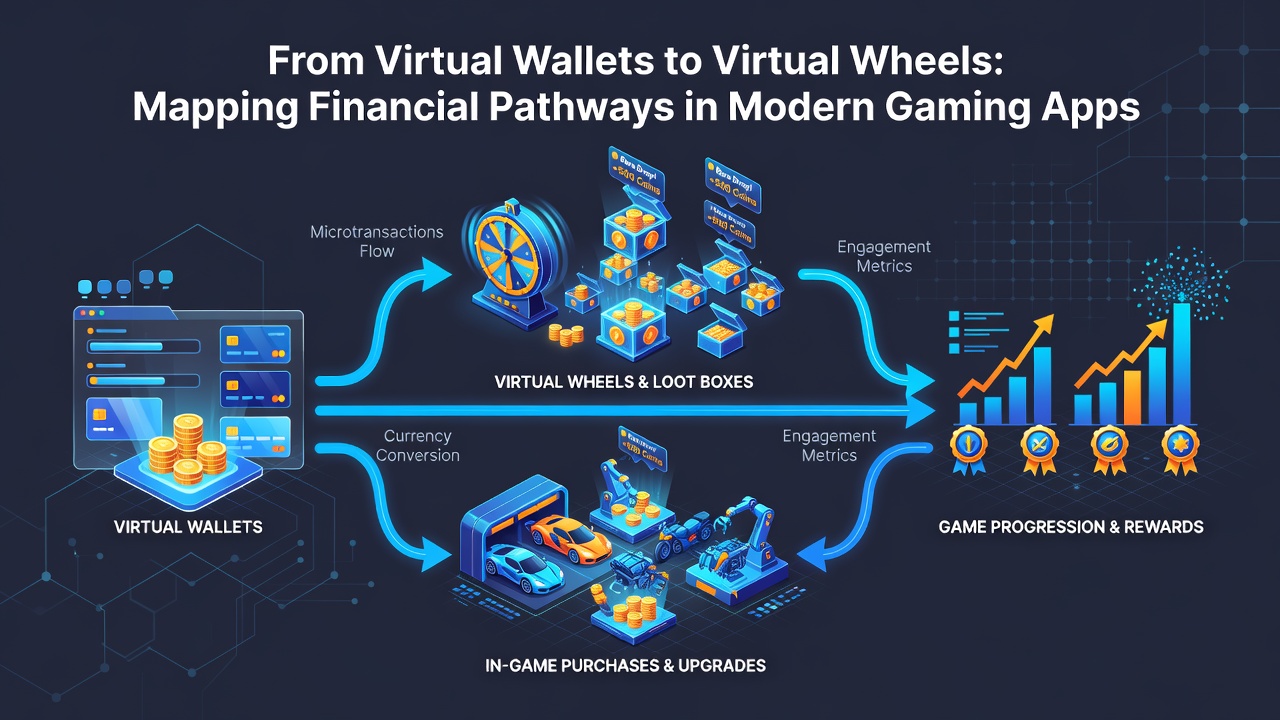
Trading systems add another layer because players exchange acquired wheels for other assets or for additional currency that re-enters the ecosystem. Platforms such as Roblox and Fortnite have documented billions of user-to-user trades annually and each transfer triggers small platform fees that contribute to overall revenue. Studies from academic institutions in Canada and Australia confirm that these secondary markets extend player engagement while creating predictable income streams for developers who facilitate the exchanges.
Regional Variations and Regulatory Influences
European and North American markets impose distinct disclosure requirements for loot-box style mechanics and developers adjust wallet interfaces accordingly to display odds and price breakdowns. Meanwhile Asian markets often emphasize gacha systems that tie wheel-based rewards to limited-time events and payment patterns shift toward higher average transaction values during those campaigns. Government agencies in Singapore and South Korea publish quarterly data that track both participation rates and spending distributions across age groups and developers reference these figures when calibrating regional pricing.
October 2026 saw several major studios release updated analytics dashboards that revealed wallet-funded purchases now represent over 70 percent of total in-game revenue in the top 50 mobile titles. These reports also highlighted how cross-platform wallets allow players to carry balances between mobile, console, and PC versions of the same game and that feature has increased retention metrics across the board.
Analytics and Future Pathways
Behind the scenes data teams monitor every step from deposit to wheel installation and they use machine-learning models to predict when users are likely to top up again. Predictive tools surface personalized offers that match current wallet balances with upcoming vehicle events so conversion feels natural rather than intrusive. Industry organizations such as the Interactive Games and Entertainment Association have compiled case studies showing that transparent pricing combined with clear progression paths yields sustained revenue without increasing player complaints.
Emerging technologies including blockchain-based asset ownership and decentralized wallets are beginning to appear in select titles and these additions could further decouple virtual economies from single-platform control. Researchers at universities in the United States and the European Union continue to examine how such changes affect spending behavior and early findings suggest players treat blockchain items as longer-term investments compared with traditional in-app purchases.
Conclusion
Financial pathways in modern gaming apps now stretch from straightforward wallet deposits through layered customization systems and onward to player-driven trading networks that revolve around items like virtual wheels. Data continues to show steady growth in these monetization models while regulatory bodies and academic researchers track their impact across different regions. Developers who maintain clear interfaces, secure processing, and meaningful progression stand to benefit as these digital economies mature further.