Fintech Pathways Enabling Instant Transactions for No-Deposit Rewards in Mobile Reel and Wheel Gaming
Written by Amir Coleman · Aug 21, 2026
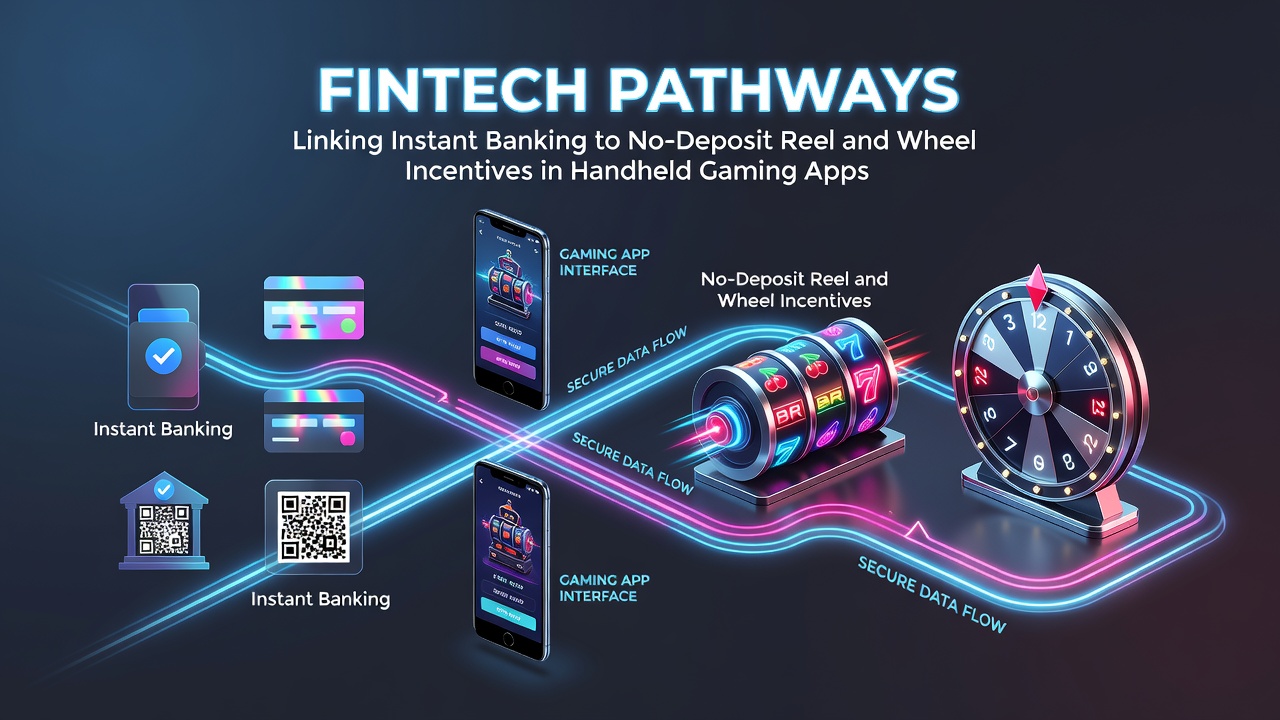
Fintech Pathways Enabling Instant Transactions for No-Deposit Rewards in Mobile Reel and Wheel Gaming
Fintech developments have created direct connections between real-time banking tools and promotional structures that allow users to access reel and wheel features in handheld applications without initial deposits, and these pathways rely on secure APIs that process verification and fund movements in seconds rather than days. Observers note that payment processors integrate with app stores and gaming platforms to confirm eligibility for incentives such as free spins on reels or complimentary wheel turns, which in turn draw from pooled promotional budgets managed by operators across multiple regions.
Core Mechanisms of Instant Banking in Gaming Environments
Real-time payment rails like those offered by certain digital wallet providers and bank APIs permit immediate balance checks and transaction approvals while users remain inside gaming sessions, and this setup supports the delivery of no-deposit rewards because eligibility data flows directly from banking partners to the app backend without manual intervention. Researchers at academic institutions have documented how these connections reduce latency to under three seconds in many cases, which keeps players engaged with reel mechanics that simulate physical slot rotations and wheel segments that award multipliers or additional plays.
Data from industry reports indicates that adoption rates climbed steadily through 2025, with further acceleration observed in August 2026 when several major processors expanded their coverage to additional mobile operating systems. The result appears in seamless handoffs where a user opens an app, receives a verified no-deposit incentive, and begins interacting with reel or wheel elements while the underlying banking authorization stays active in the background.
Integration Patterns Across Handheld Applications
Developers embed software development kits from fintech firms directly into reel and wheel games so that promotional triggers activate upon account linkage rather than separate funding steps, and this architecture allows incentives to appear as soon as identity verification completes through biometric or token-based methods. Those who have examined code repositories and partnership announcements find that common implementations include push notifications that confirm both the banking connection and the reward credit in a single flow.
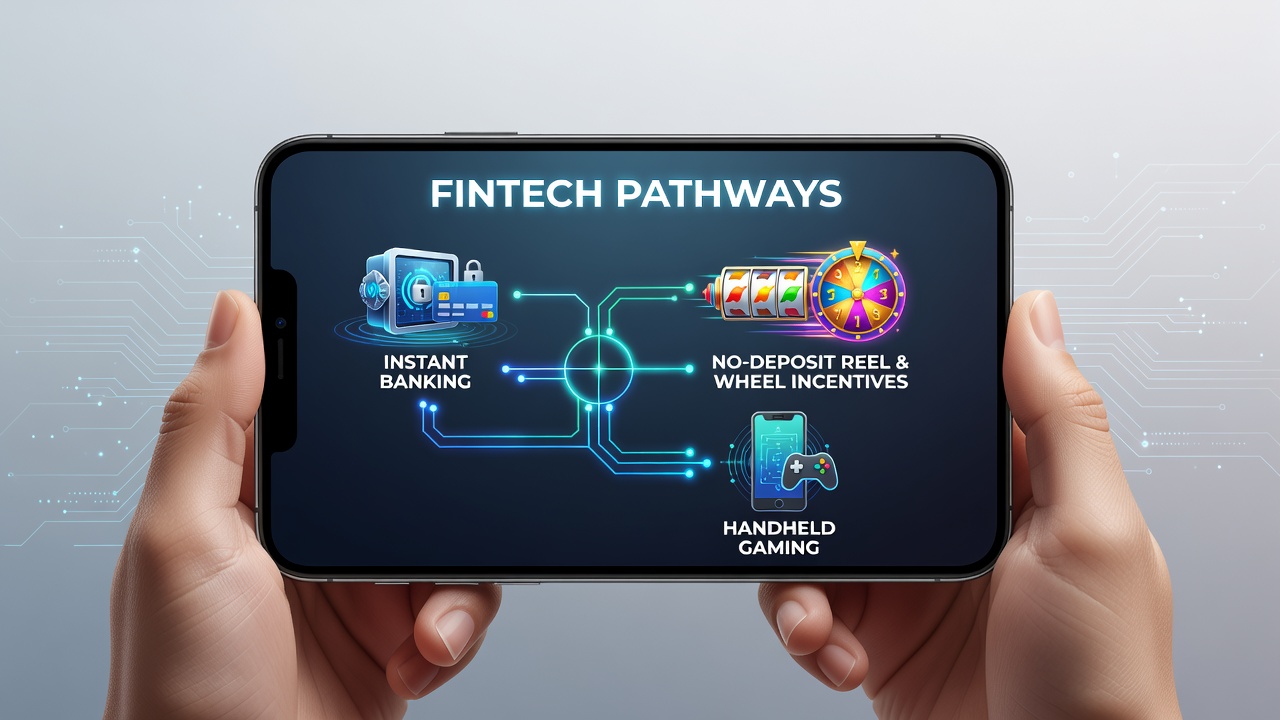
Studies from university research groups show that such integrations maintain compliance with regional rules by logging each transaction step, which creates audit trails that operators can share with oversight bodies in the United States and Canada. In practice, reel games often pair these rewards with progressive jackpots while wheel features use them to unlock bonus rounds, and the fintech layer handles the accounting so that promotional credits remain distinct from player-funded balances.
Regional Examples and Data Trends
Applications serving markets in North America demonstrate how instant banking links enable no-deposit reel access for new users who complete a quick verification, and similar patterns appear in European and Asia-Pacific deployments where wheel incentives activate through the same channels. According to figures released by the American Gaming Association, transaction volumes involving promotional credits grew by double-digit percentages in recent quarters, reflecting broader shifts toward mobile-first engagement.
Canadian data compiled by provincial regulators further illustrates that handheld platforms using these fintech connections report higher retention when rewards deliver without deposit friction, and analysts attribute part of the increase to the reliability of real-time authorization systems. Observers tracking August 2026 metrics noted parallel growth in both reel and wheel categories as more processors rolled out updated security protocols.
Security and Compliance Considerations
Encryption standards and tokenization methods protect the data exchanges that connect banking details to reward systems, which prevents exposure during the brief windows when no-deposit incentives are claimed and applied to reel or wheel sessions. Experts at research organizations emphasize that multi-factor authentication combined with device fingerprinting helps maintain integrity across these pathways, and regular third-party audits verify that promotional funds do not intermingle with operational accounts.
Regulatory frameworks in multiple jurisdictions require clear disclosure of terms attached to such incentives, and fintech providers supply the reporting tools that operators use to meet those obligations without slowing user experiences. The result keeps reel and wheel gameplay fluid while satisfying record-keeping demands that differ by region yet share common principles around transparency and player verification.
Future Directions in Connected Mobile Gaming
Continued refinement of instant banking APIs is expected to support even faster reward distribution for handheld reel and wheel titles, and emerging standards around open banking could expand the range of institutions that participate in these incentive pathways. Industry associations have begun publishing guidelines that encourage consistent implementation across platforms, which may reduce fragmentation for users who switch between devices or regions.
Current implementations already demonstrate how these linkages function at scale, and ongoing pilots in additional markets suggest further expansion remains likely through the remainder of the decade. The pathways that exist today illustrate a practical model for combining financial technology with entertainment mechanics while preserving necessary controls.
Conclusion
Fintech pathways now routinely link instant banking functions to no-deposit reel and wheel incentives inside handheld gaming applications, and the technical connections rely on secure, rapid data flows that verification systems and promotional engines both utilize. Evidence from multiple regions shows steady adoption alongside measurable growth in transaction volumes and user activity, while compliance mechanisms continue to evolve in step with the technology. These integrations represent an established operational reality rather than an emerging experiment, and their continued refinement will likely shape how mobile reel and wheel experiences incorporate reward structures going forward.