Electronic Funds Routing in Stake-Free Mobile Live Roulette Environments
Written by Elena Hoffmann · Sep 18, 2026
Electronic Funds Routing in Stake-Free Mobile Live Roulette Environments
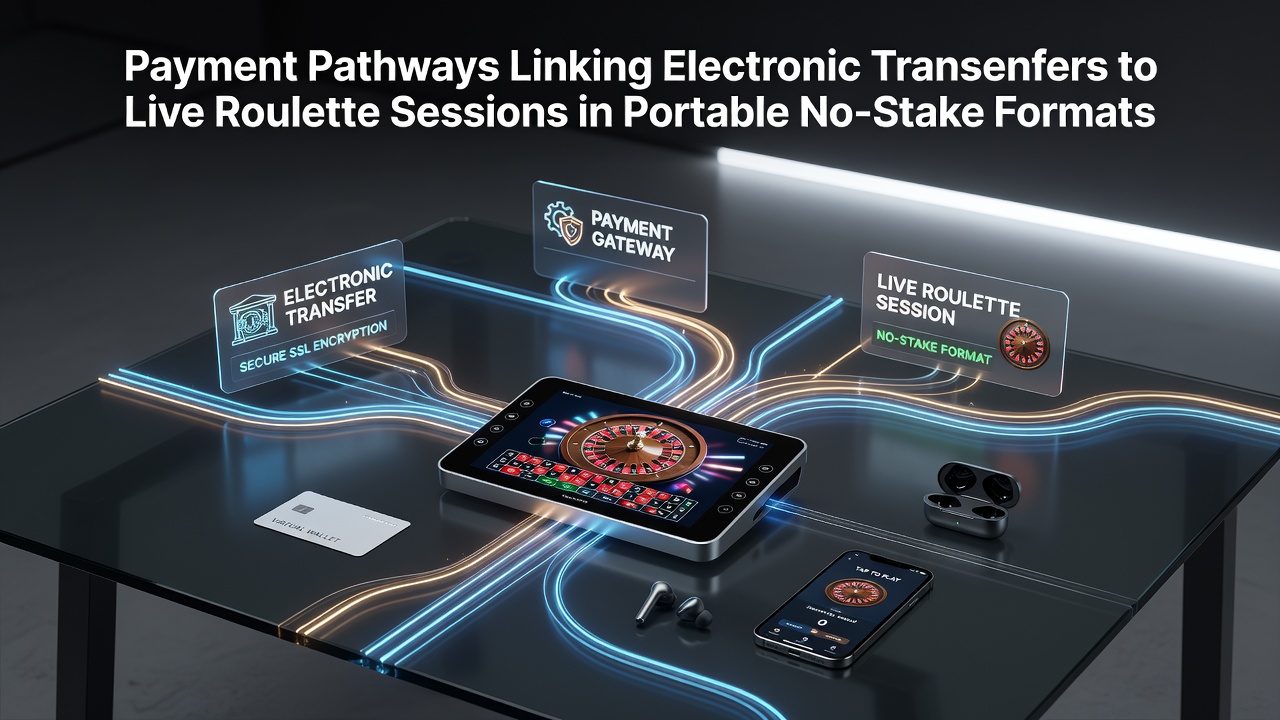
Electronic funds routing has become a central element in how operators deliver live roulette sessions through portable devices that operate in no-stake formats, and these systems rely on secure application programming interfaces that move virtual credits between user accounts and game servers without involving real currency. Data from industry reports show that such pathways allow instant synchronization of session data while maintaining separation from any monetary exchange, and this structure supports regulatory compliance across multiple jurisdictions.
Core Components of Electronic Transfer Systems
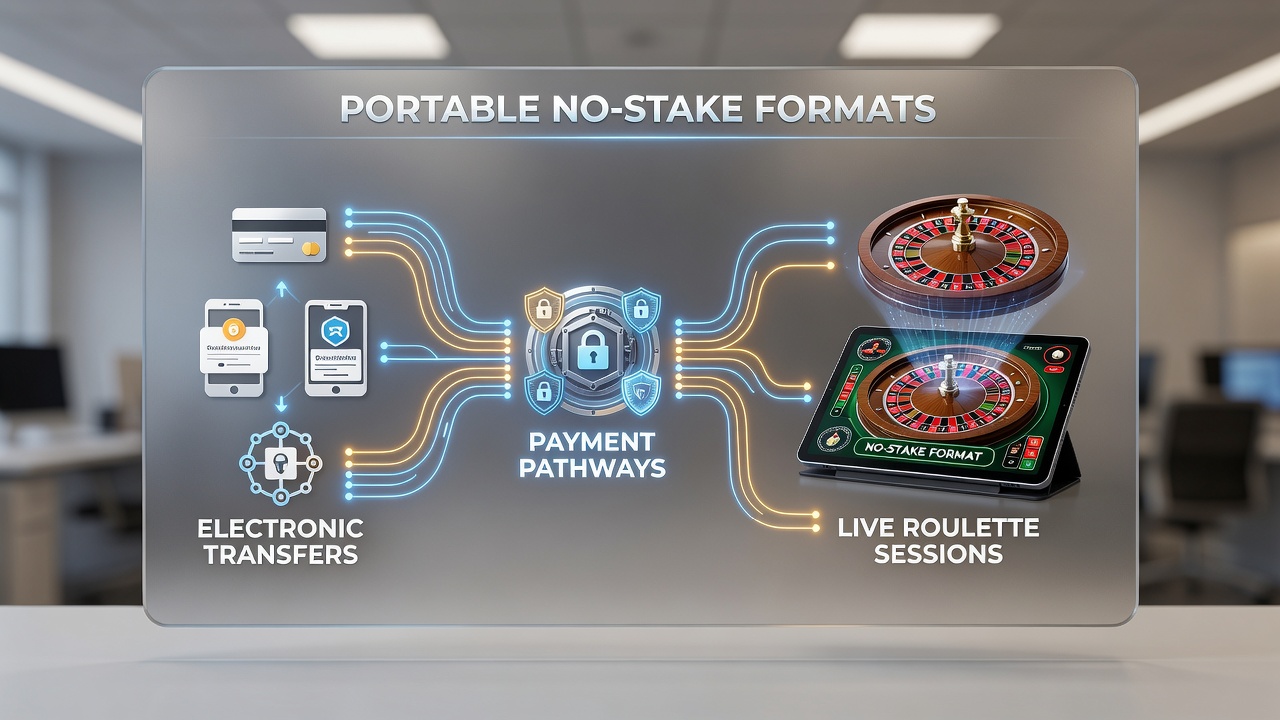
Portable platforms use token-based ledgers that record every credit allocation in real time, and these ledgers connect directly to payment gateways operated by third-party processors. Observers note that the architecture typically includes encrypted channels between mobile applications and central servers, which reduces latency during live dealer interactions. Research indicates that protocols such as ISO 20022 messaging standards facilitate the structured data exchange required for no-stake environments, ensuring that session logs remain auditable without exposing financial details.
Developers integrate digital wallet interfaces that accept virtual tokens generated through promotional mechanisms or loyalty programs, and these tokens convert into roulette chip equivalents on the device screen. The process occurs through API calls that authenticate the user session before any wheel spin begins, while background processes verify that no real stake value attaches to the activity.
Regulatory Frameworks Outside the United Kingdom
Authorities in different regions have established rules governing how electronic transfers operate within no-stake gaming applications. The New Jersey Division of Gaming Enforcement requires detailed reporting on all credit movements in mobile platforms, and similar requirements appear in guidelines issued by the Australian Communications and Media Authority. These frameworks emphasize transparency in how virtual balances are created and consumed during live roulette sessions, and operators must maintain separate ledgers for demonstration play versus any real-money activity.
Industry associations such as the European Gaming and Betting Association publish technical standards that address data security for portable devices, and these standards influence the design of payment routing systems used in no-stake formats. Academic studies from research institutions have examined the effectiveness of token isolation techniques, revealing that proper segmentation prevents unintended crossover between free sessions and paid environments.
Technical Pathways in Practice
One common implementation involves server-side generation of session tokens that link to a user's mobile identifier, and these tokens travel through secure sockets to the live dealer interface. The system records each roulette outcome against the token balance, and updates propagate back to the device within milliseconds. What's interesting is how multi-factor authentication layers integrate with the payment gateway to confirm that the session remains in no-stake mode throughout.
Additional safeguards include time-stamped audit trails that regulatory bodies can request during compliance reviews, and these trails capture every credit adjustment without storing payment instrument details. Operators in several markets have adopted blockchain-inspired distributed ledgers for token tracking, although centralized databases still dominate most portable implementations. Data shows that average session initiation times have decreased as these pathways have matured, with some platforms reporting sub-second handshakes between wallet and game server.
Developments Expected in September 2026
Scheduled updates to cross-border data standards are set to take effect in September 2026, and these changes will require enhanced encryption for all electronic transfer messages exchanged between mobile applications and live dealer platforms. Testing conducted by international gaming laboratories indicates that updated protocols will support higher volumes of simultaneous no-stake sessions while preserving the separation from real-money accounts. Industry analysts anticipate that operators will complete integration work well before the deadline to avoid service interruptions.
Conclusion
Electronic funds routing continues to evolve as the backbone of no-stake live roulette delivery on portable devices, and the combination of technical standards, regional regulations, and improved encryption supports reliable session management. Observers expect further refinements in token handling and audit capabilities as platforms prepare for the September 2026 updates, with data from multiple sources confirming steady progress in these areas.